

 Posted by
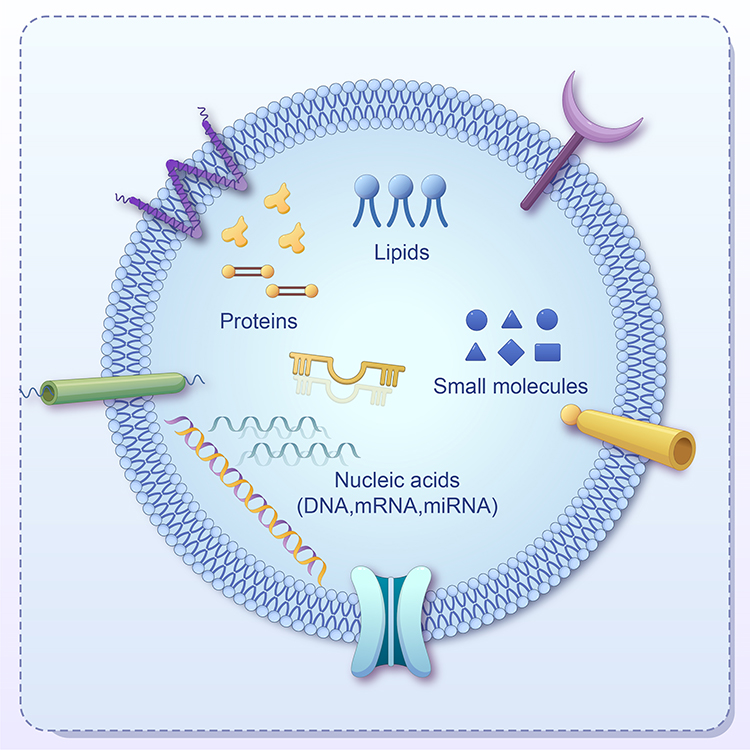
 In 1987, researchers studying erythrocyte maturation discovered nanoscale vesicles and proposed the concept of exosomes. Exosomes are small vesicles that are formed within cells and then secreted into the extracellular space and are capable of transferring information between cells and regulating various biological processes. Exosomes exist not only in animal cells but also in plant cells. Animal-derived exosomes play important roles in intercellular communication, immune regulation, and disease development. However, animal-derived exosomes are inherently immunogenic, difficult to obtain, and prone to degradation. Therefore, plant-derived exosome-like nanovesicles (PELNs) isolated from natural plants have become a hot research topic. PELNs may play a certain role in chronic wound healing. Compared with animal-derived exosomes, PELNs have the advantages of being readily obtainable, having low immunogenicity, and having good stability. Compared to animal-derived exosomes, there are limited reports regarding the role of PELNs in chronic wound healing and their associated mechanisms, highlighting their novelty and the necessity for further research. In this review, methods for the isolation of PELNs and their components are summarized, and the mechanisms of their effects on chronic wound healing are analysed through recent studies. Finally, we summarize the future opportunities and challenges of PELNs in the treatment of chronic wounds and present several new insights and solutions.

What can cyclodextrin do for PELN? It may have a role in optimizing extraction techniques, improving separation methods, and automating production for scale-up are strategies to enhance the purity and yield of PELNs. PELNs are stored at −80°C to maintain their activity and stability. CDs might improve the stability.
Wu W, Zhang B, Wang W, Bu Q, Li Y, Zhang P, Zeng L. Plant-Derived Exosome-Like Nanovesicles in Chronic Wound Healing. Int J Nanomedicine. 2024;19:11293-11303
https://doi.org/10.2147/IJN.S485441